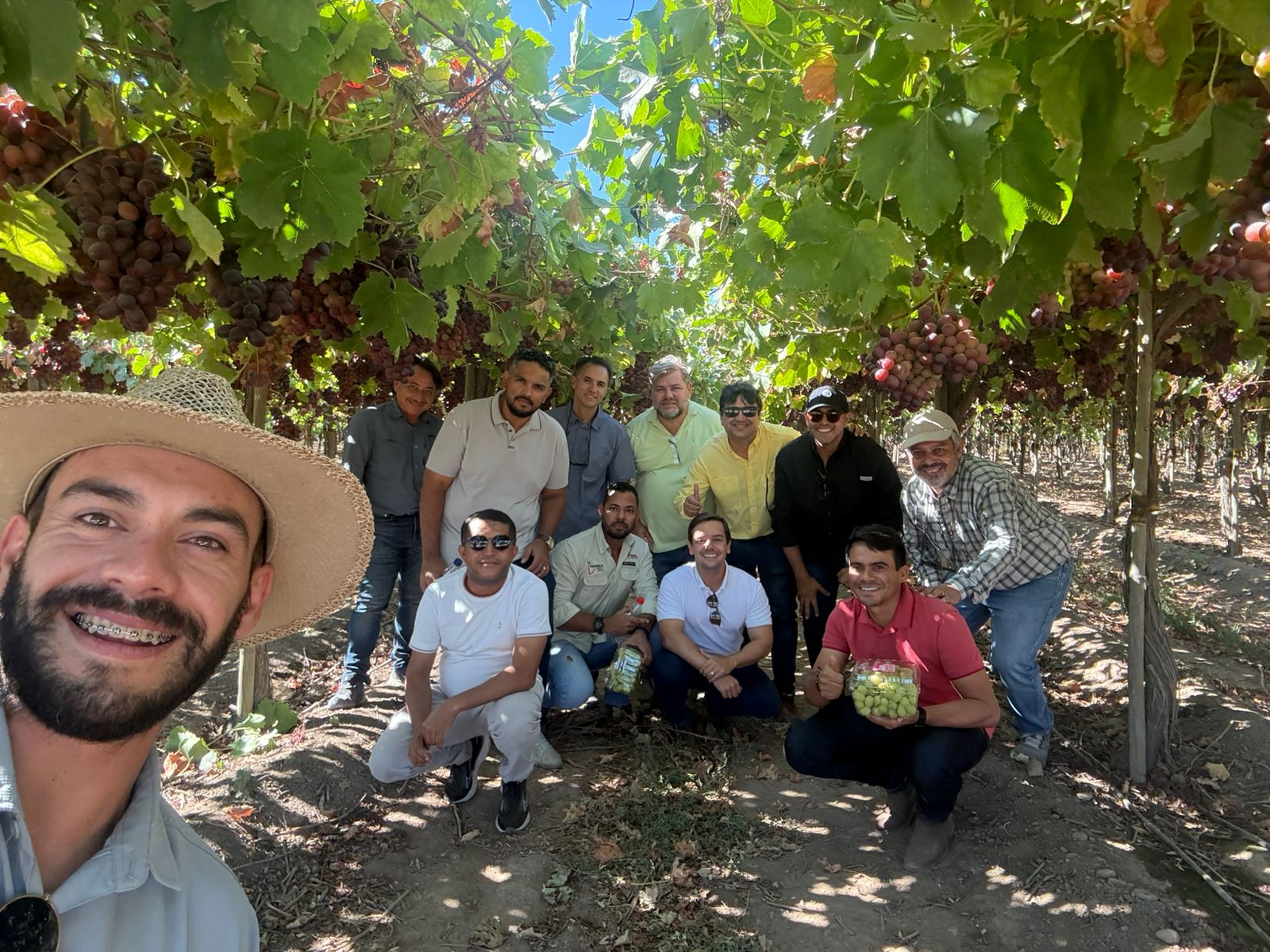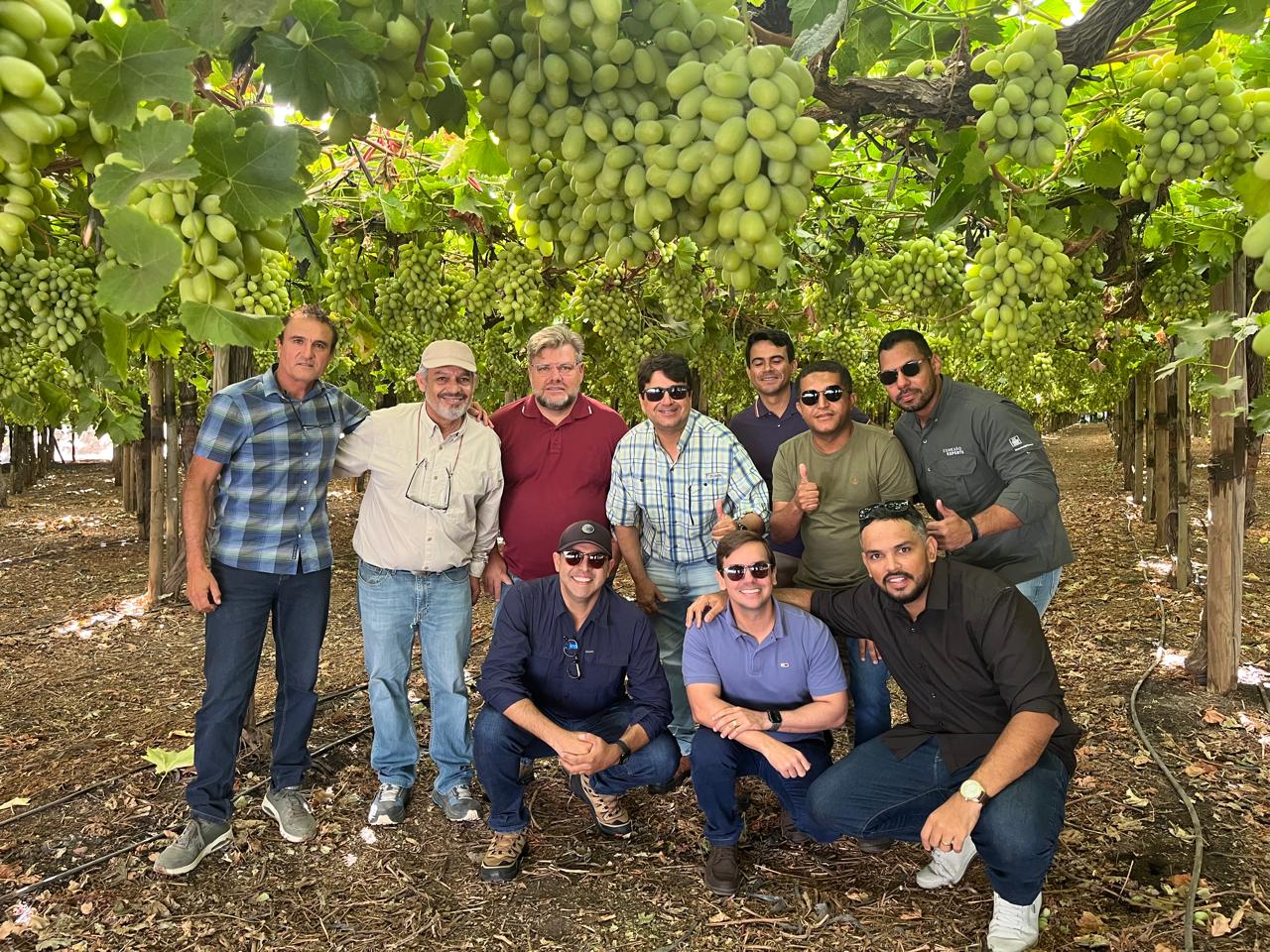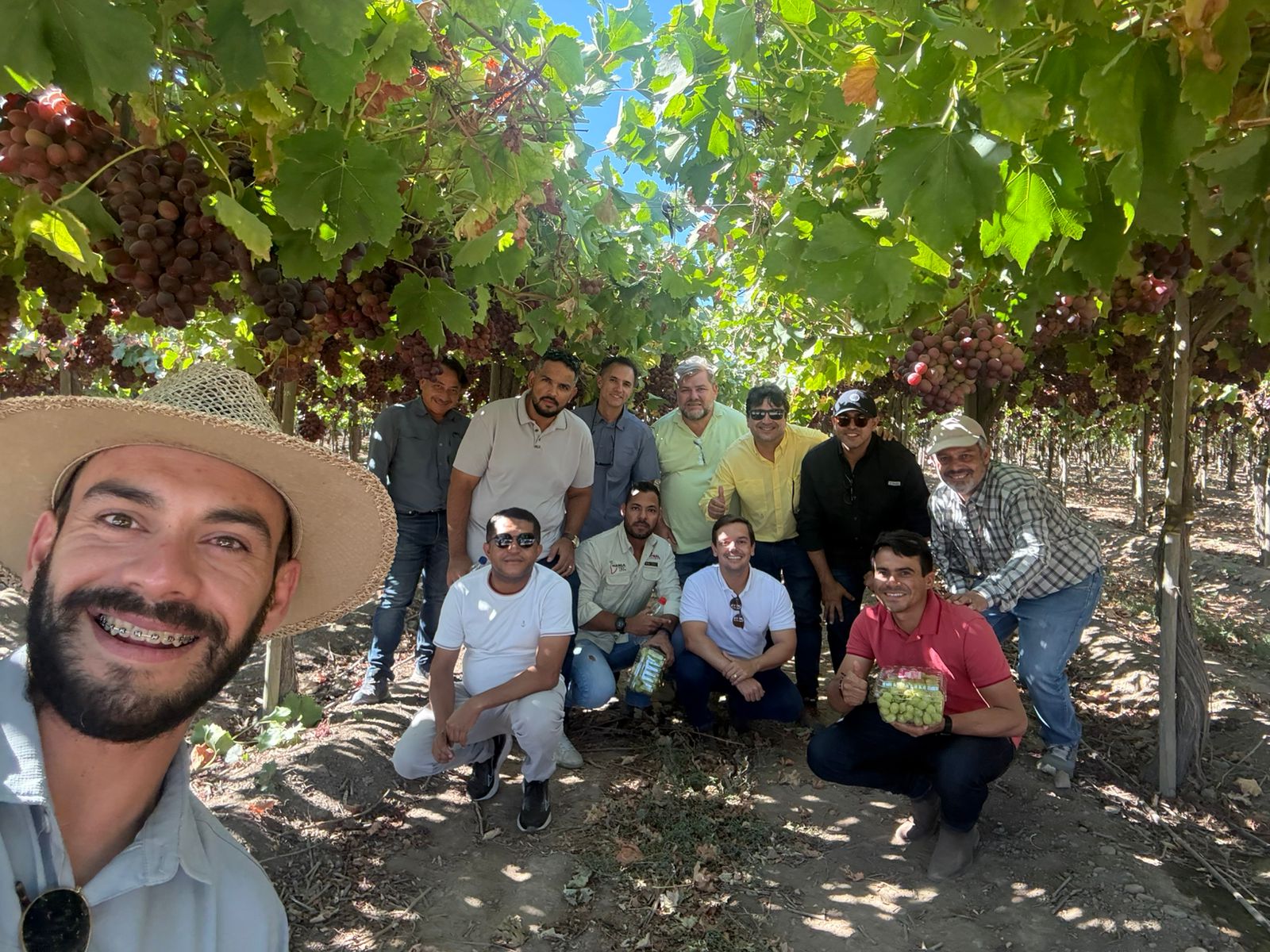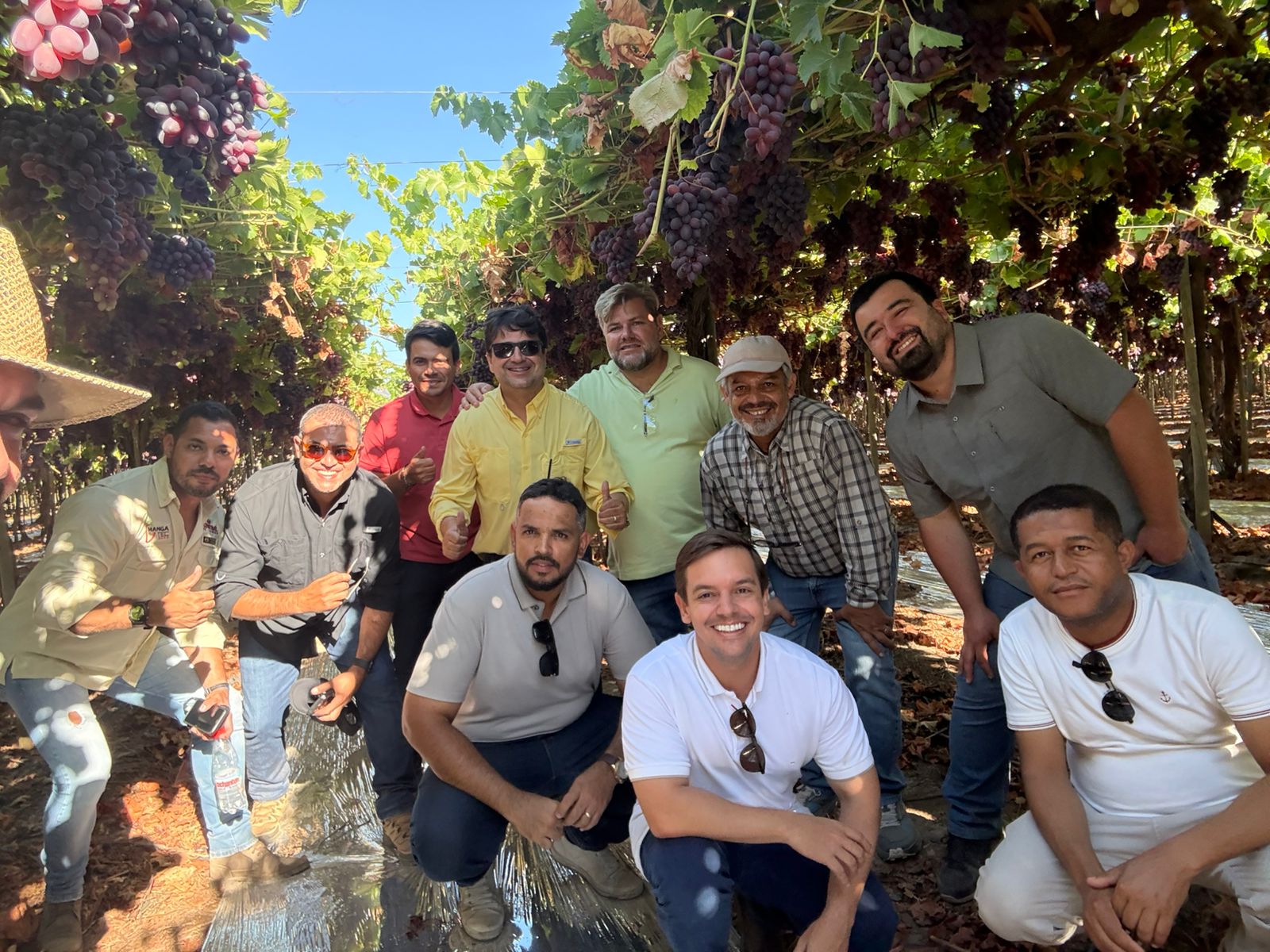
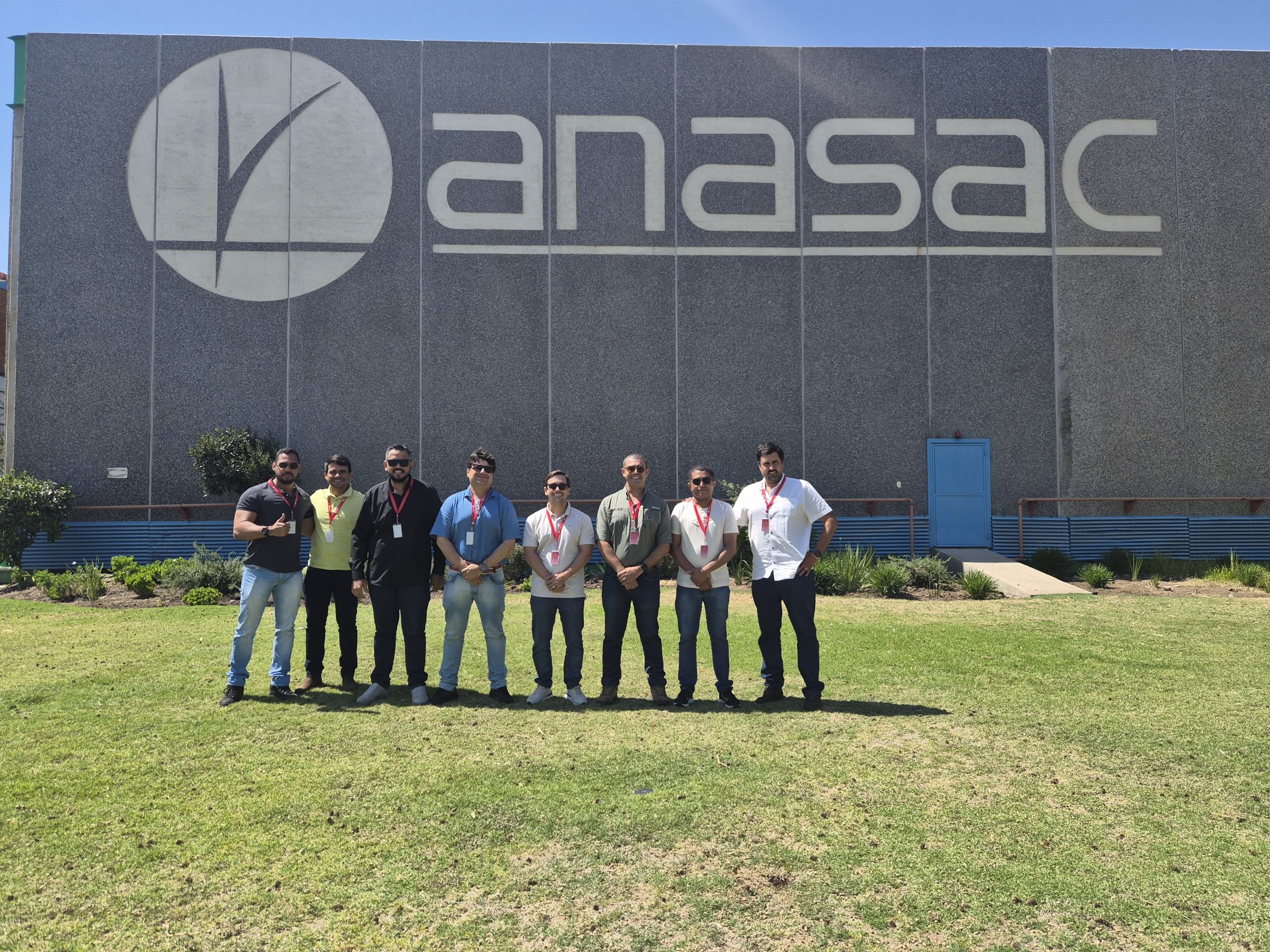
In the context of the recent registration in Brazil of Fruitscreen, Anasac's cyanamide in Brazil. A delegation from the company Adubos Central visited Chile to learn about table grape management experiences in the field and about the work that ANASAC The activity was guided by the The activity was guided by Mauricio Flores, Crop Manager for table grapes and cherries, ANASAC, who accompanied the visitors between the days of March 2 and 4.
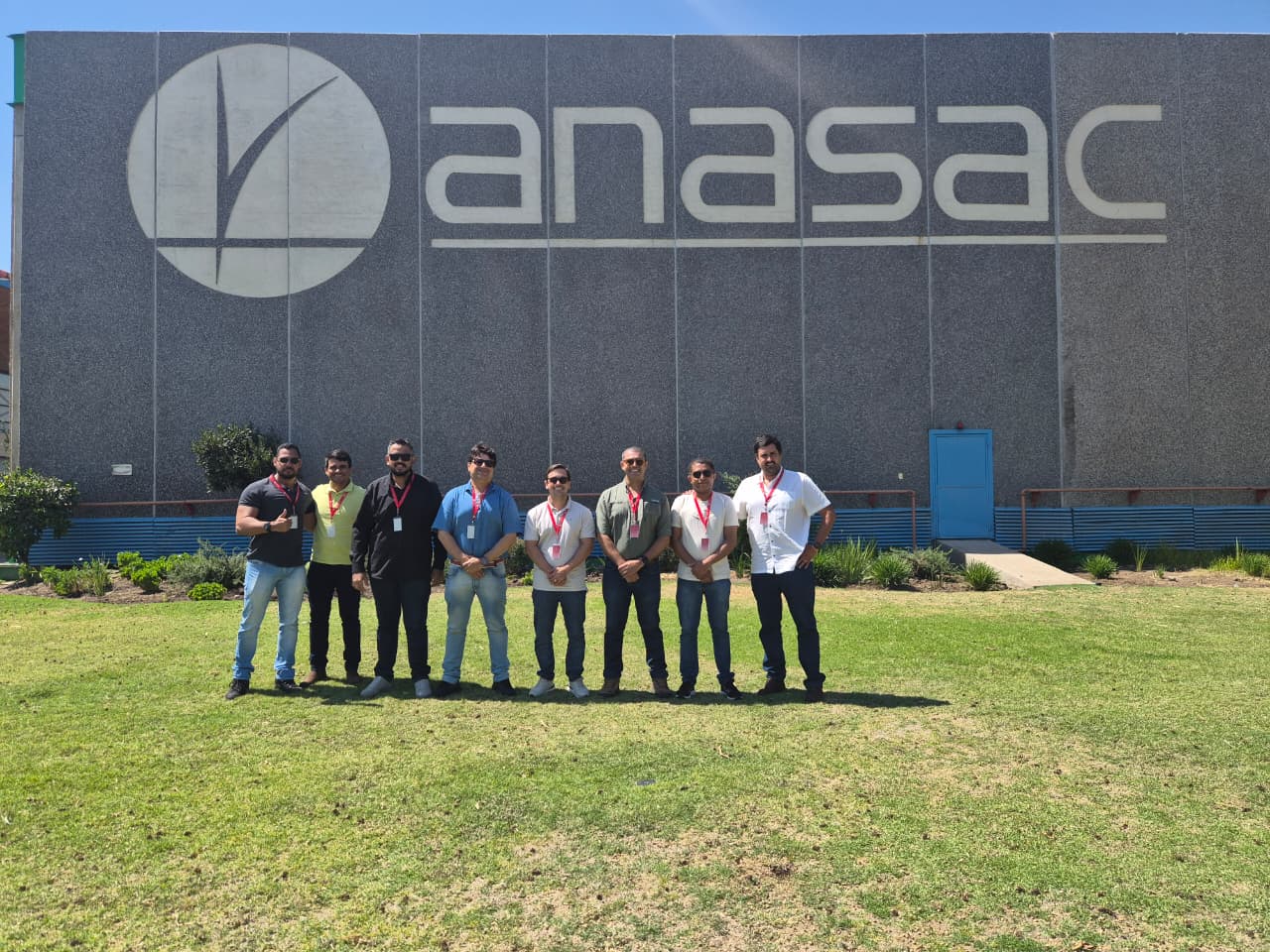
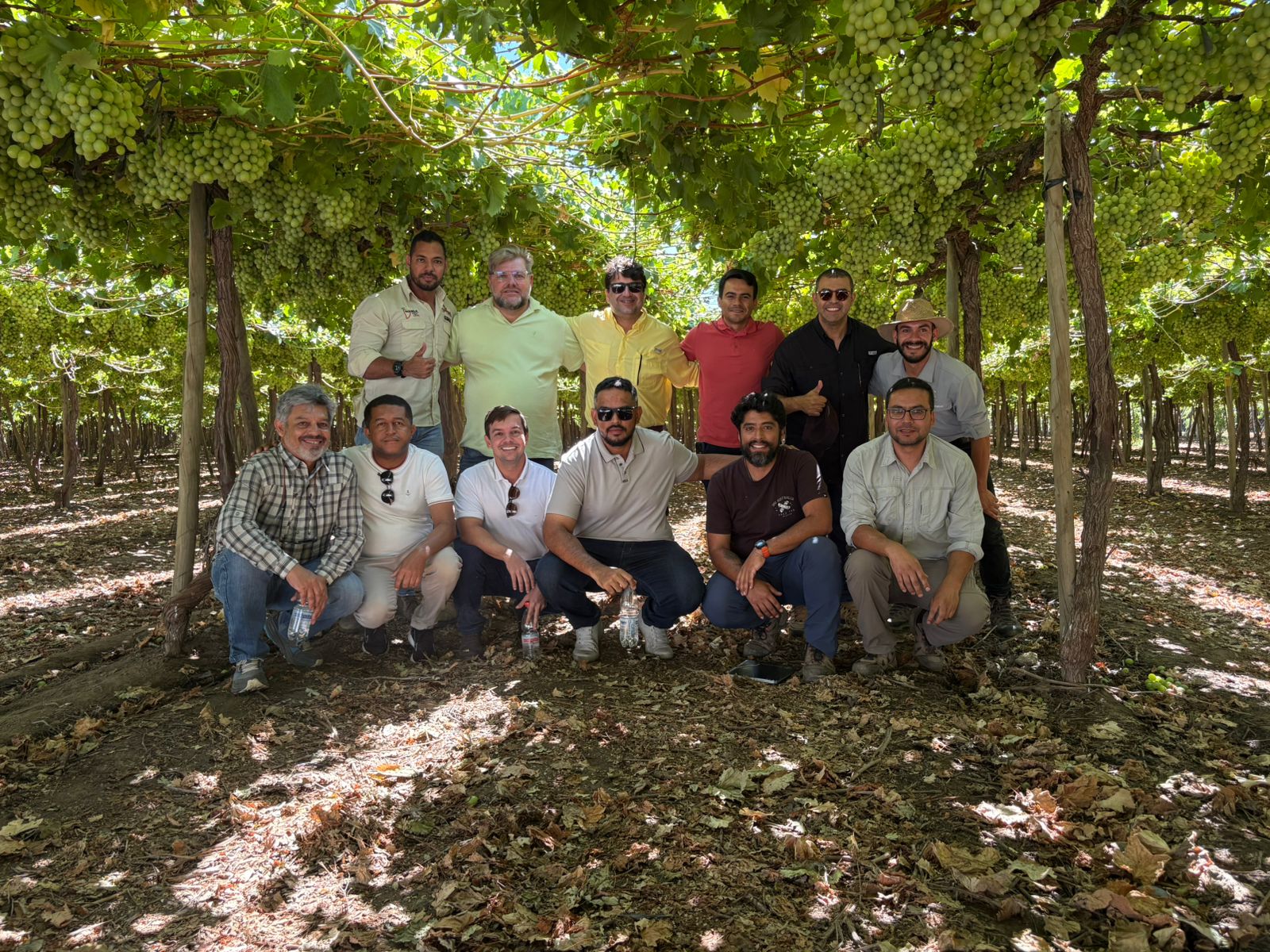
The delegation was composed of eight Brazilian representatives, including members of Central de Adubos and technical advisors from the area of Petrolina, The company is the main table grape production center in Brazil:
- Lucas Jobim Jordão - Commercial Director, Adubos Central.
- Manoel George de Souza Rodrigues - Agricultural advisor.
- Francisco Jubilino Cavalcanti Neto - Agricultural advisor and producer.
- Lubarino de Souza Jandielton - Agricultural advisor and producer
- Fabio Gomez - Agricultural advisor and producer.
- José Roberto dos Santos - Agricultural advisor.
- Felipe dos Santos Pereira - Agricultural advisor.
- Maurício Blumetti de Oliveira - Marketing Manager, Central de Adubos.
Very different production realities
Flores explained that the exchange was especially interesting because of the differences between the production systems of the two countries.
“In the Petrolina area the plants can produce two or even three harvests a year, because the climate remains stable with temperatures between 20 and 35 °C throughout the year. This means that the plants do not have a deep dormancy as in Chile,” he said.
In this context, Brazilian growers must artificially induce leaf fall and sprouting, which generates severe stress on the plants. For this reason, physiological management tools, such as Fruitscreen, The production system is very important in this productive system.
Unlike Brazil, where production is distributed throughout the year, in Chile the industry must concentrate its harvest in a few months.
“We have to harvest practically all of our production in four months, while they produce continuously throughout the year,” explained Flores.
Tour of productive fields
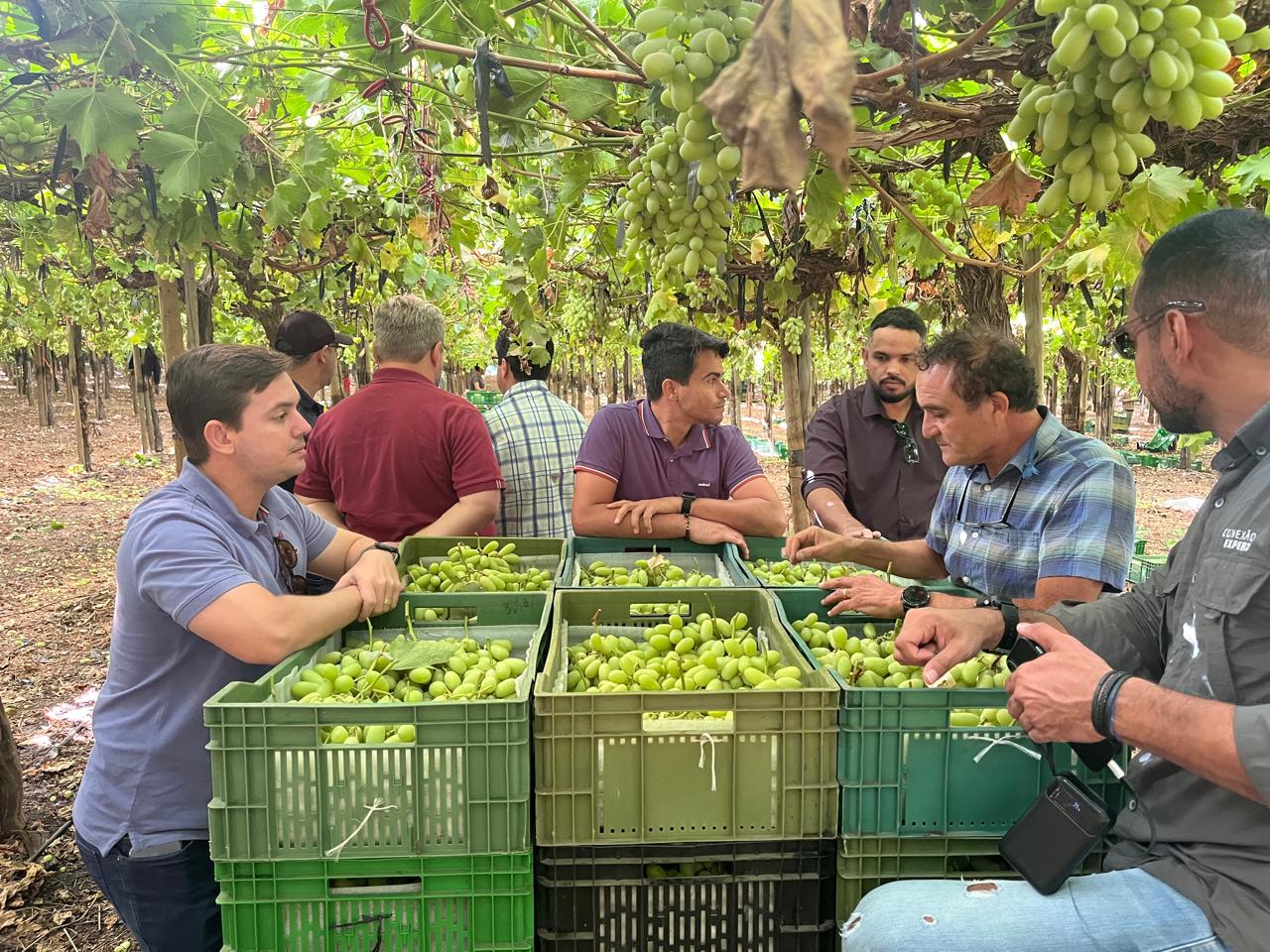
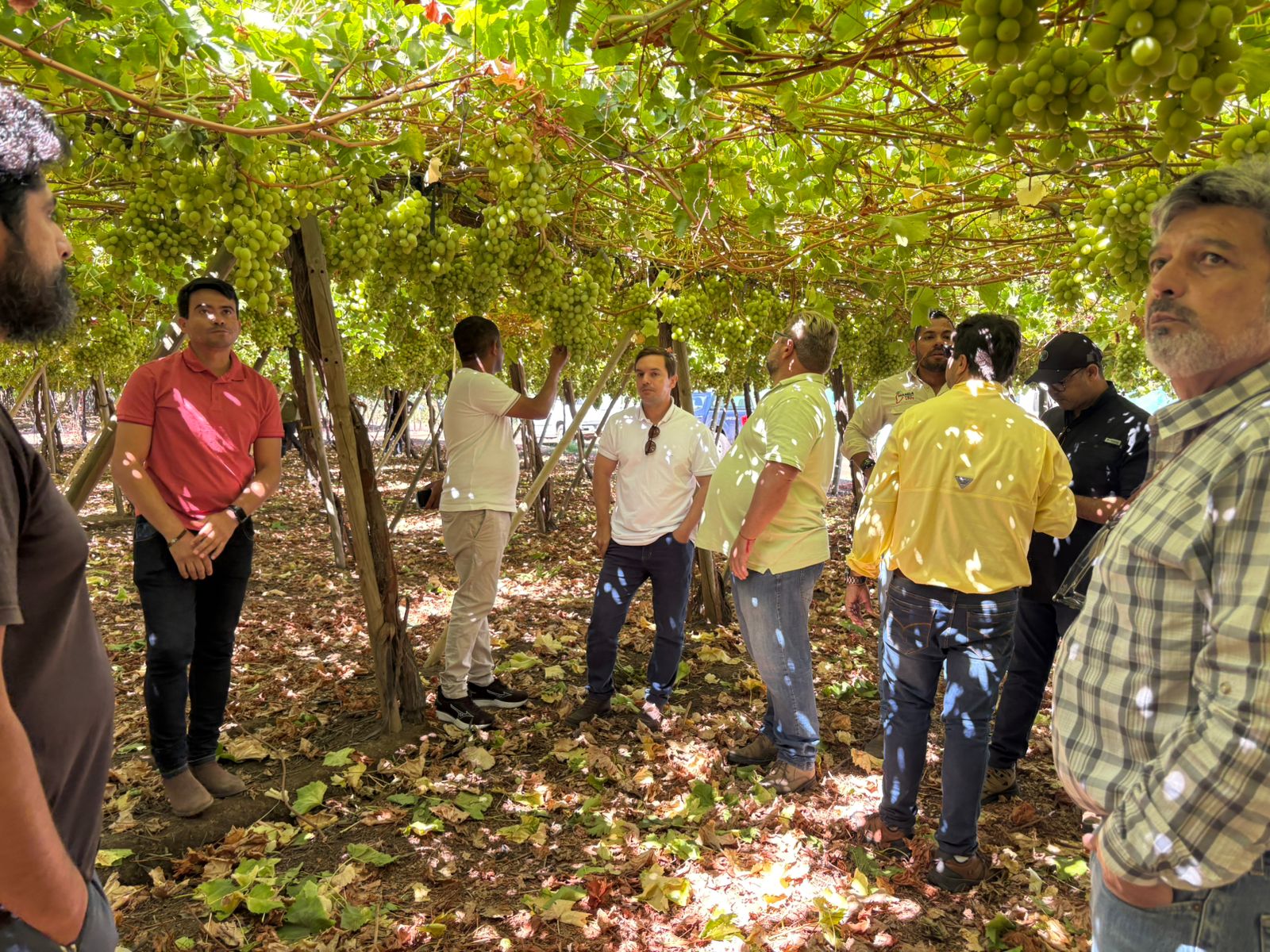
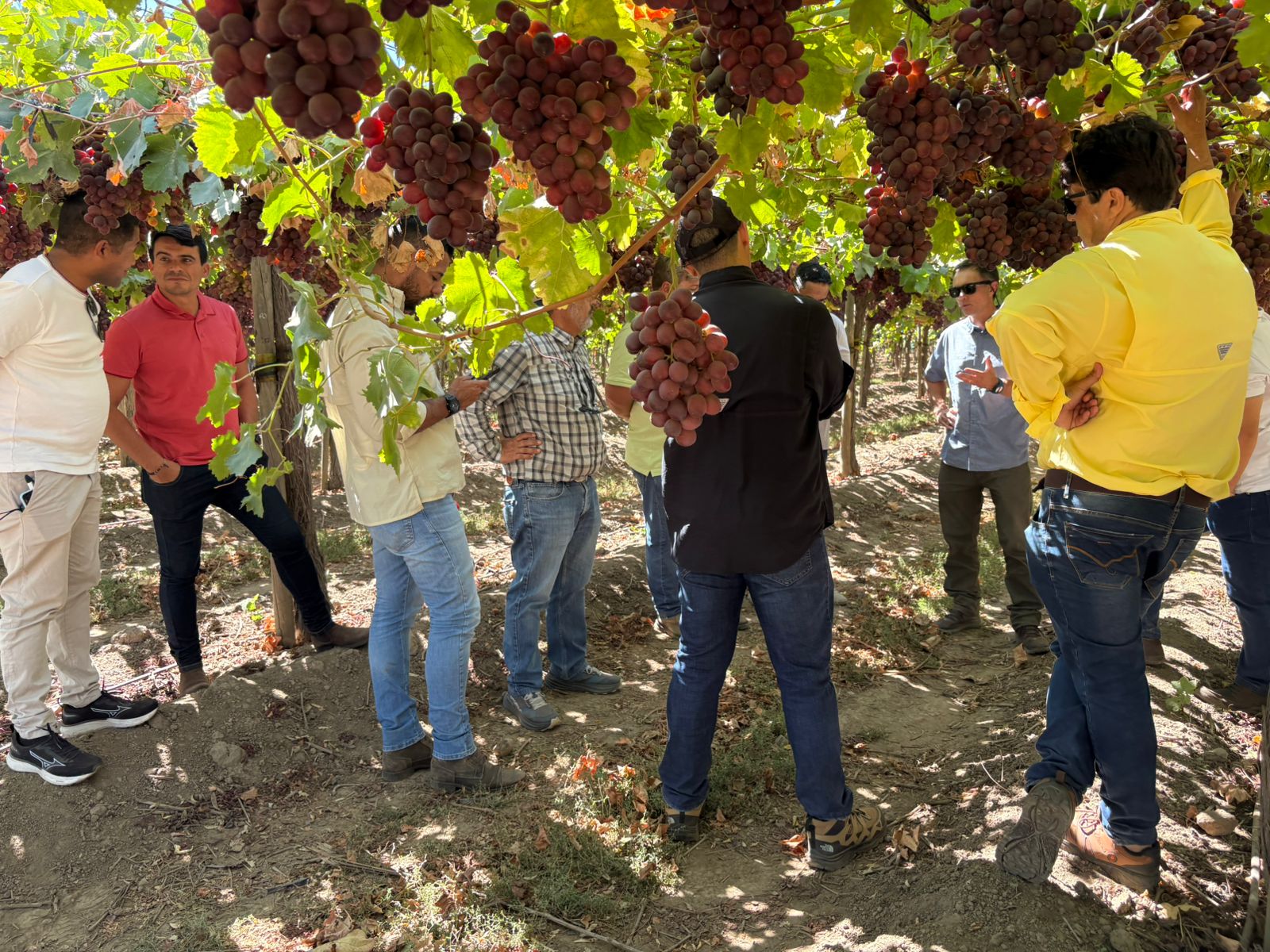
During the two days of activities, the delegation visited different fields to observe varietal management and experiences with ANASAC products.
The first stop was Agrícola La Florida, where they visited an orchard of 80 hectares of Pristine variety, a niche white grape with high commercial returns and an exclusive marketing system.
Subsequently, they visited the Old Convent, where they were welcomed by Enrique Turri, The owner of the field. There they were able to observe modern varieties such as Autumn Crisp, Sweet Globe and Sweet Celebration, The high quality of the fruit present in the orchards was highlighted.
“They were very impressed by the size and quality of the fruit they saw in Chile,” said Flores.
On the second day, the tour continued in the O'Higgins Region, with visits to the fields of Dole in St. Vincent, where they met varieties such as Sweet Globe, Autumn Crisp, Jack Salute and Scarlotta. At the site they were welcomed by Luis de Luca, Agricultural Administrator at Dole Chile, who presented the productive management associated with these materials.
Innovation and waste reduction
One of the highlights of the tour was the visit to the Chucao experimental station, of the consultant Gabriel Marfan, where ANASAC has approximately three to four years developing trials with biorational products.
There, a paper was presented that evaluates three phytosanitary management programs with different residue levels:
- program of zero waste
- program of three residues
- standard program of seven waste waste (field standard)
“In the sixth region production normally moves between 7 and 8 residues, and our objective was to explore how far we can reduce them without compromising production or fruit quality,” explained Flores.
Preliminary results have shown very positive projections, This opens up opportunities for moving towards management programs more sustainable.
Proximity to producers
One of the aspects that most attracted the attention of visitors was ANASAC's relationship with local producers.
“They told us that they were very surprised by the closeness we have with the producers and that the owners of the fields themselves participated directly in the visits,” said Flores.
Technical exchange and projection
During the visits, the Brazilian representatives also showed great interest in topics such as:
- hormonal management in new varieties
- use of algae extracts for stress management
- production load strategies
- physiological management in different production systems
Learning about the formulation process at ANASAC's Lampa plant
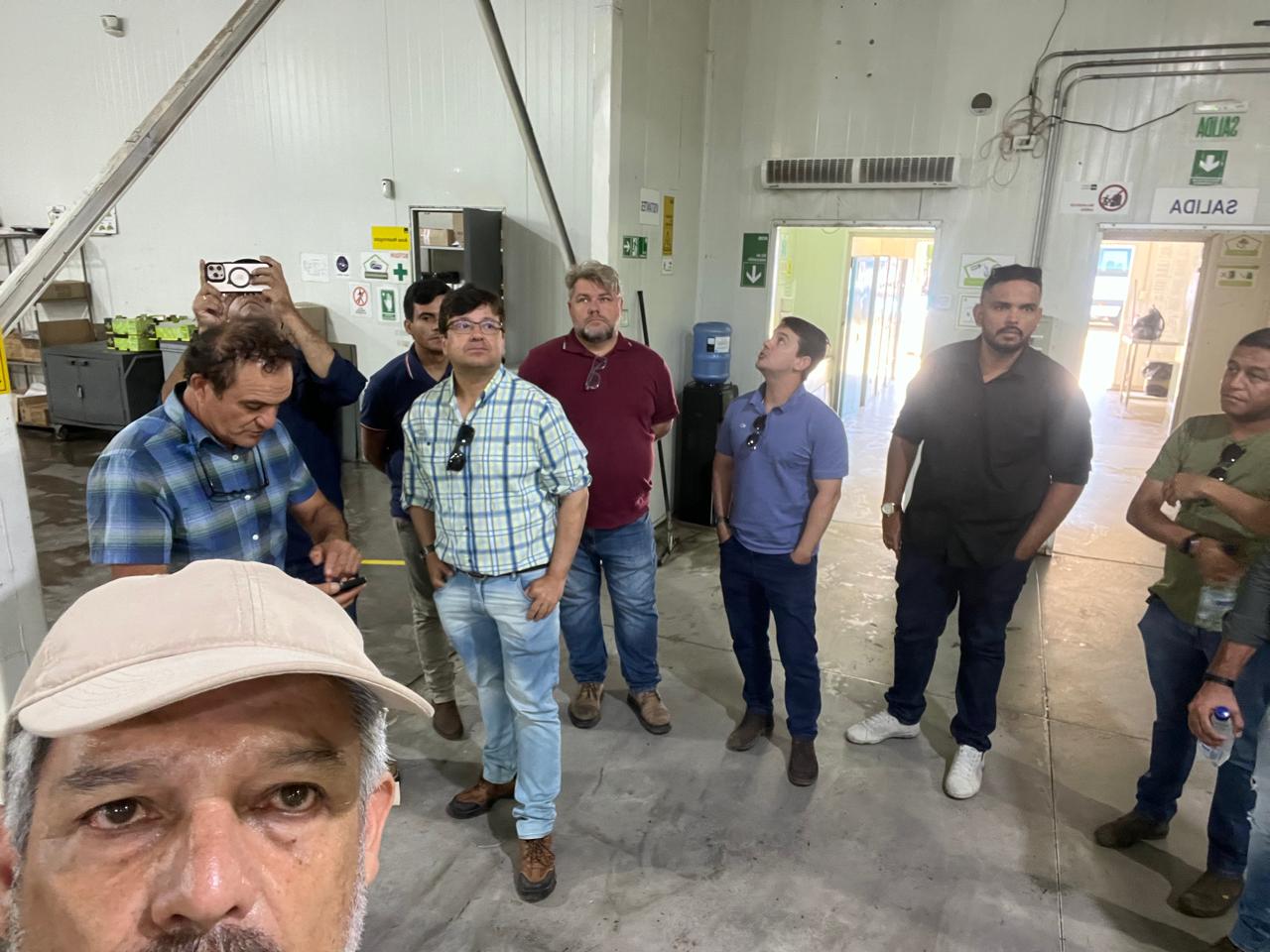
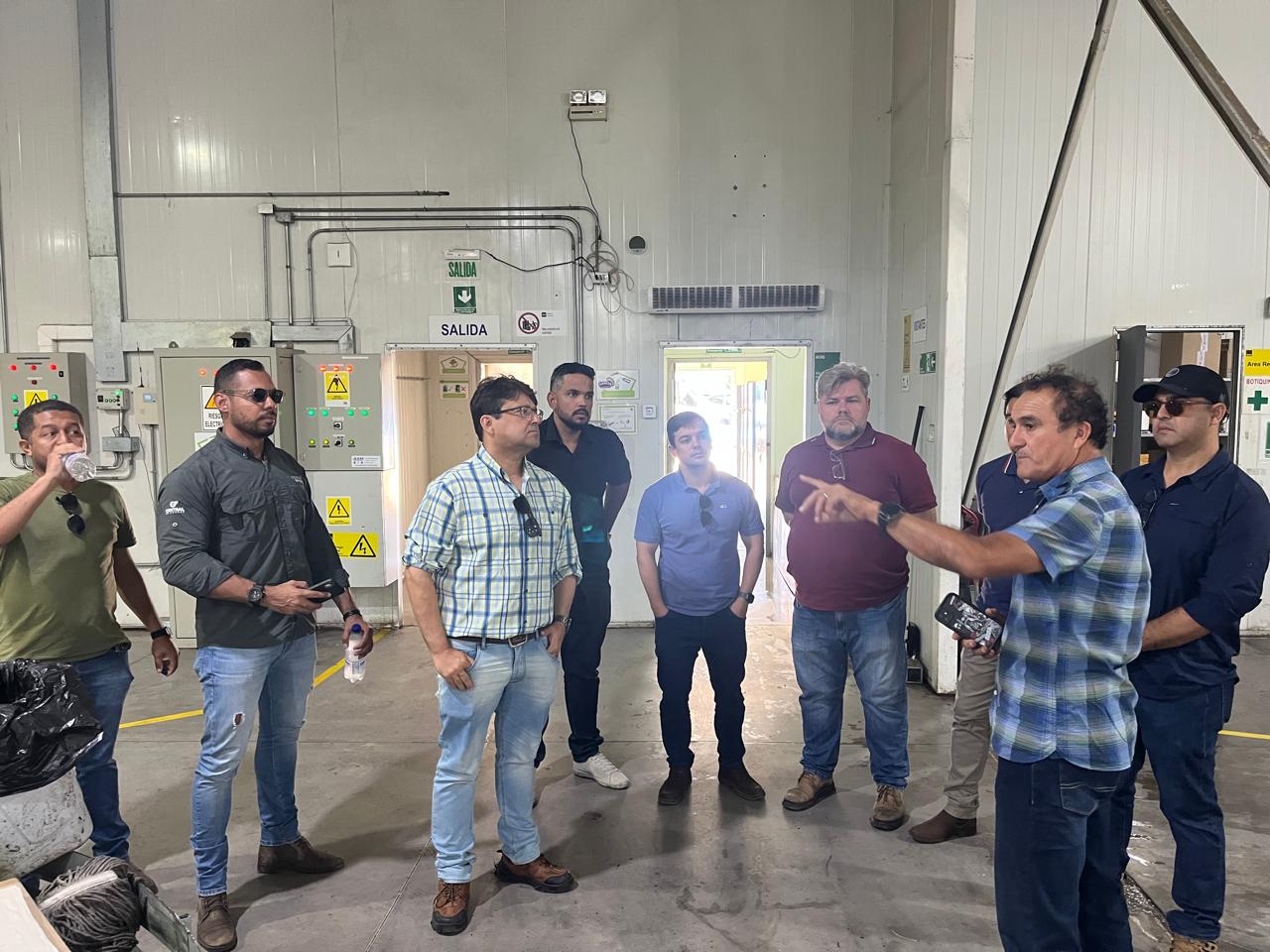
On Wednesday, the delegation visited the ANASAC plant in Lampa, The visitors were able to learn in detail about the product formulation process, as well as the technical and operational standards that are part of the development of the company's solutions. During the tour, visitors also had the opportunity to learn about ANASAC's production capabilities and facilities.
The activity reinforced the technical exchange between the Chilean and Brazilian teams, and provided first-hand knowledge of the work that supports the development of tools aimed at improving the physiological and productive management of crops.
This visit is part of a broader process of technical collaboration between ANASAC and Adubos Central, aimed at strengthening the positioning of solutions such as Fruitscreen in tropical production systems.
Launch of Fruitscreen in Brazil
Fruitscreen, ANASAC's cyanamide, which has recently entered the Brazilian market, will be officially launched together with Adubos Central the next March 26 in Petrolina, Brazil's main table grape producing area. With this milestone, both companies are seeking to consolidate the product as a key tool for the sprouting induction and physiological management of grapevines under tropical conditions, The project will strengthen the technological collaboration between Chile and Brazil.
 ES
ES EN
EN PT
PT